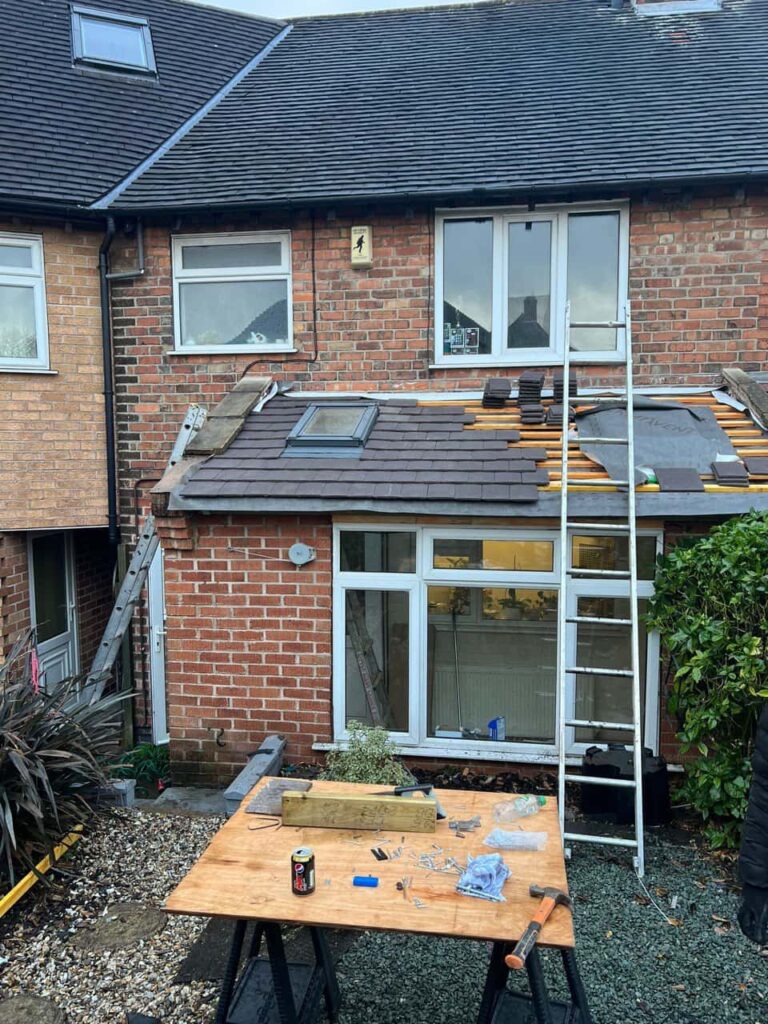
A roof is expected to provide dependable protection through years of exposure to rain, wind and changing weather conditions. Although roofing materials are designed for durability, they are not immune to gradual wear. Small defects can develop over time, and how quickly those defects are addressed can have a significant influence on the condition of the wider roofing system.
For homeowners in Hedge End, Hampshire, timely roof repairs and sensible maintenance can help prevent isolated weaknesses from developing into more extensive deterioration. At Hedge End Roofing Repairs, the focus is on identifying the cause of roofing problems and carrying out appropriate work while as much of the existing roof as possible remains in serviceable condition.
Why Early Intervention Matters
Many roofing problems begin in a relatively contained area.
A tile may slip, flashing can become damaged, or a small weakness may develop around a ridge or roof junction. Initially, the rest of the roof may continue performing normally.
The difficulty is that roofing components work together. When one part stops providing adequate protection, surrounding materials can experience greater exposure to moisture and weather.
Early intervention helps interrupt this progression before a small defect affects a larger section.
Small Repairs Can Protect a Much Larger Area
One of the most important benefits of prompt roof repair is that it can preserve roofing materials that remain perfectly serviceable.
Consider a single slipped tile. If addressed quickly, the work may remain concentrated around that particular location. If the opening remains exposed through repeated rainfall, however, moisture can begin reaching materials beneath the covering.
A relatively minor defect can therefore place a much larger area at risk if it is left unattended.
Protecting the Roof Beneath the Tiles
The visible covering is only part of the system
Tiles or slates are the most noticeable part of a roof, but important components sit underneath them.
Depending on the roof construction, these can include:
- Underlay
- Battens
- Fixings
- Structural timber
The external covering helps shield these components from direct weather exposure.
When tiles become damaged or displaced, the materials underneath may have to deal with conditions they were not intended to experience continuously.
Prompt repair helps restore that first line of protection.
Repairing Slipped and Damaged Tiles Early
Individual tile problems are among the most common reasons for arranging roof repairs.
Tiles can become cracked, broken or displaced through weather exposure, ageing components or localised damage.
When the surrounding roof remains sound, replacing or correctly securing affected tiles can help maintain the integrity of the existing covering.
Homeowners should pay attention to:
- Missing tiles
- Visibly slipped tiles
- Cracked sections
- Pieces of roofing material around the property
- Changes following strong winds
Addressing these signs early can help prevent water and wind from exploiting the affected area.
Small Leaks Should Be Investigated Promptly
A small internal mark can have an external cause
Roof leaks do not always begin with obvious water entering a room.
The first indication may be:
- A faint ceiling stain
- Dampness within the loft
- A mark that becomes darker after rainfall
- Moisture around a particular roof area
Even when the visible symptom is small, investigation is worthwhile.
Water can travel along roofing materials before becoming noticeable internally, which means the position of a damp patch does not necessarily identify the exact point of entry.
Finding and repairing the source helps prevent repeated moisture penetration.
Flashing Maintenance Helps Protect Vulnerable Junctions
Flashing performs an important role wherever different roof surfaces or building elements meet.
These areas require dependable detailing because water naturally moves towards junctions and changes in roof shape.
Over time, flashing can become:
- Loose
- Cracked
- Weathered
- Displaced
- Separated from adjoining materials
Localised flashing repairs can help restore weather resistance before surrounding materials become affected.
Ridge and Verge Problems Should Not Be Overlooked
Roof edges and high-level sections experience considerable exposure to wind and rain.
Loose ridge tiles or deteriorating verge details may initially affect only a small part of the roof, but continued weather can cause movement to worsen.
Early attention helps keep these sections secure and reduces the possibility of neighbouring materials becoming involved.
This is particularly valuable when the remainder of the roof remains in good condition.
Maintenance Helps Identify Problems Before They Become Obvious
Not every roofing defect immediately creates symptoms inside the property.
A roof may have a cracked tile, minor flashing deterioration or another developing weakness without producing a visible leak.
This is where sensible roof maintenance becomes valuable.
Periodic professional attention can identify:
- Localised tile damage
- Movement
- Deteriorating roof details
- Areas affected by previous weather
- Early signs of water penetration
- Existing repairs requiring assessment
Finding a problem before it becomes obvious from inside the property can provide more repair options.
Early Repairs Can Reduce Secondary Deterioration
One defect can eventually affect several components
Secondary deterioration occurs when an original roofing problem begins damaging materials that were not initially defective.
For example, a damaged tile may expose the underlay. Continued moisture can then affect supporting components, and eventually water may reach the roof space.
The original problem involved one tile, but the consequences can become considerably more extensive.
Early intervention is valuable because it helps stop this chain of deterioration close to where it began.
Maintenance Can Help Preserve Existing Roofing Materials
Roof longevity is not simply about reaching a particular number of years.
It is about keeping the roofing system serviceable for as long as its condition reasonably allows.
Replacing an isolated defective component can help protect surrounding materials that still have useful service life remaining.
This is particularly important because a roof does not usually deteriorate uniformly. Some areas may require attention while others remain perfectly functional.
Appropriate maintenance allows sound materials to continue performing rather than allowing one weakness to undermine them.
Why Repeated Problems Deserve Closer Attention
Occasional repairs can be a normal part of maintaining a roof. The pattern changes when new problems begin appearing increasingly frequently.
Homeowners should take notice when:
- Tiles repeatedly slip in different areas
- Leaks develop in several locations
- Multiple roof details require attention
- Previous repairs are surrounded by new deterioration
- Problems appear shortly after unrelated repairs
This does not necessarily mean earlier repairs have failed.
It can indicate that several original roofing components are reaching a similar stage of deterioration.
At this point, assessing the complete roof is more useful than concentrating only on the latest defect.
Roof Maintenance Is About Prevention, Not Constant Intervention
Good maintenance does not mean repeatedly carrying out unnecessary work.
The purpose is to identify genuine defects, understand their cause and correct them before they affect otherwise serviceable parts of the roof.
A sensible maintenance approach focuses on:
- Monitoring roof condition
- Responding to visible changes
- Investigating leaks
- Repairing localised defects
- Checking vulnerable areas following poor weather
- Assessing patterns of recurring deterioration
The level of work should always reflect what the roof actually requires.
When Is a Localised Roof Repair Appropriate?
A targeted repair can be an effective solution where:
- Damage is confined to one area
- The surrounding roof remains sound
- The underlying materials remain serviceable
- The cause can be clearly identified
- There is no significant widespread deterioration
Under these circumstances, repair can help preserve the existing roofing system and support its continued performance.
This is one of the principal ways early intervention contributes to roof longevity.
When Does Wider Roofing Work Become Necessary?
Maintenance cannot preserve every roof indefinitely
Every roofing system eventually reaches a point where general deterioration becomes more significant.
If several components are failing together, repeated local repairs may no longer address the overall condition effectively.
Signs that a wider assessment is worthwhile include:
- Extensive tile deterioration
- Numerous recurring leaks
- Widespread problems beneath the covering
- Frequent unrelated repairs
- Several ageing roof details failing together
In these situations, professional assessment can determine whether continued repairs remain appropriate or whether a more comprehensive roofing solution should be considered.
Why Correct Diagnosis Is Essential
A successful roof repair should address why the problem occurred, not simply what can be seen.
If a tile has slipped, for example, it is useful to establish whether the problem is limited to that tile or connected to its fixing or supporting materials.
The same principle applies to leaks.
Treating an internal damp mark without locating the external entry point will not solve the underlying problem.
Professional assessment helps distinguish between the symptom and the cause, which is essential for carrying out effective repair work.
The Value of Professional Roof Repairs
Quality roof repair requires more than replacing visibly damaged materials.
A professional roofer can assess:
- The immediate defect
- Surrounding roofing materials
- Signs of secondary deterioration
- Previous repair areas
- Vulnerable junctions
- The general condition of the roof
This wider assessment helps ensure that a local repair is genuinely suitable rather than overlooking deterioration nearby.
For homeowners, this provides a clearer understanding of the roof’s condition and the work actually required.
Professional Roof Repairs in Hedge End
At Hedge End Roofing Repairs, we provide professional roofing services for properties throughout Hedge End, Hampshire.
Our approach focuses on identifying roofing problems accurately and carrying out suitable repairs before localised defects have the opportunity to affect larger areas.
Whether the issue involves damaged tiles, a leak, deteriorating flashing or another roofing concern, timely professional attention can help protect serviceable components and maintain the performance of the existing roof for as long as reasonably possible.
Conclusion
Early intervention supports roof longevity because it prevents minor defects from placing unnecessary pressure on the wider roofing system. A damaged tile, small leak or deteriorating roof detail may initially be localised, but continued exposure to weather can allow moisture and movement to affect surrounding components.
Prompt professional repairs can help preserve sound tiles, underlay, battens and other roofing materials while preventing secondary deterioration. Regular attention also makes it easier to identify changes in roof condition before they develop into more substantial problems.
If you have noticed signs that your roof in Hedge End, Hampshire requires attention, contact Hedge End Roofing Repairs. Our experienced team can assess the condition of the roof, identify the cause of any defects and recommend appropriate repairs to help maintain dependable protection and support the long-term performance of your roofing system.
Call us on: 01489 359 891
Click here to find out more about Hedge End Roofing Repairs
Click here to complete our contact form and see how we can help with your roofing needs.