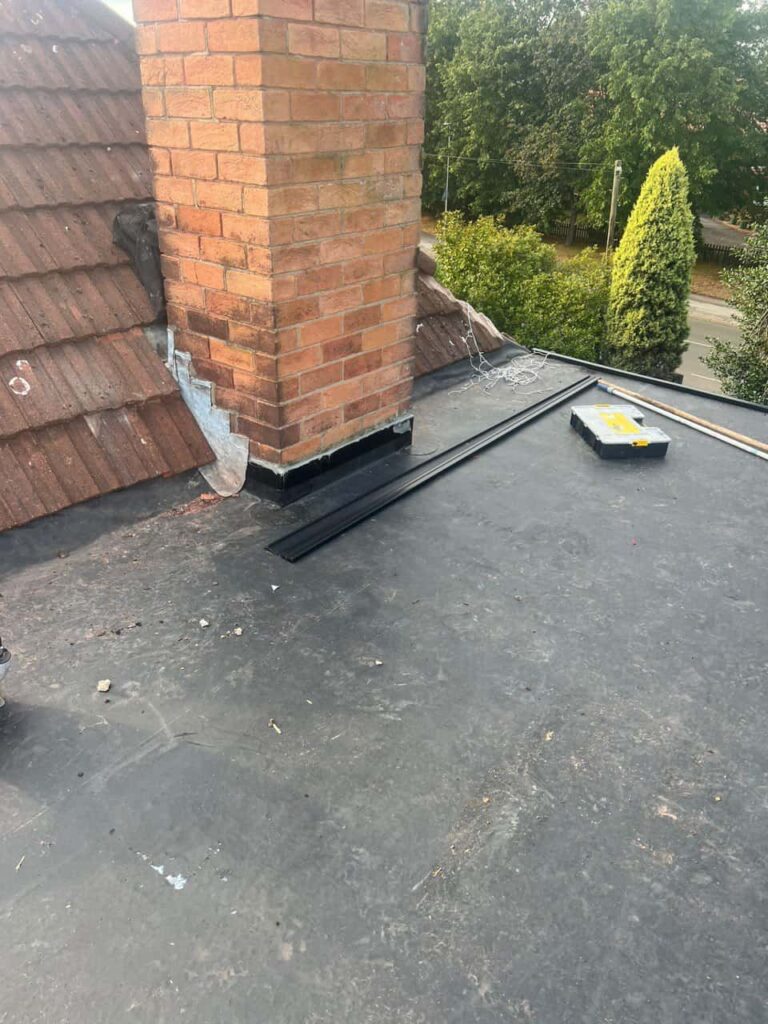
A slipped roof tile is often associated with strong winds or severe weather, but tiles can move even when conditions have been relatively calm. In many cases, the visible movement is the result of gradual deterioration rather than a single event.
Understanding why a tile has slipped is important because repositioning it without addressing the underlying fault may only provide a temporary solution. A professional inspection can determine whether the problem is confined to one tile or indicates deterioration elsewhere on the roof.
Common Reasons Roof Tiles Slip Without a Storm
Roof tiles depend on secure fixings, sound battens and correct installation to remain in place. If any part of this supporting system weakens, gravity and everyday weather exposure can gradually cause a tile to move.
Corroded or Failed Fixings
Many roof tiles are held in place using nails, clips or a combination of fixings. These components can deteriorate over time, particularly after prolonged exposure to moisture.
A fixing may eventually corrode, loosen or break, leaving the tile without sufficient support. The tile can then begin to slide down the roof even though there has been no recent storm.
Simply pushing the tile back into position will not resolve a failed fixing. It must be secured correctly to reduce the likelihood of further movement.
Deteriorated Roof Battens
Roof battens provide the framework onto which tiles are fixed or hung. If a batten becomes damp, decayed or damaged, it may no longer hold the tile securely.
Batten deterioration can remain concealed beneath the roof covering, making it difficult to identify from ground level. One slipped tile may therefore be the first visible indication that the supporting timber needs attention.
A roofer can lift the affected area carefully and check whether the batten remains structurally sound.
Worn Tile Nibs
Some roof tiles are formed with small projections known as nibs, which help them hang from the battens. These nibs can crack or break through age, handling or long-term movement.
The main body of the tile may appear undamaged, yet a failed nib can allow it to slip out of alignment. This explains why a tile can move even when there is no obvious crack visible from below.
The affected tile will normally need to be removed so that its concealed edges and fixing points can be examined properly.
Gradual Roof Movement
Roofs naturally experience small amounts of movement as temperatures and moisture levels change. Timbers expand and contract, while the building itself may settle gradually over time.
These changes are usually minor, but they can place stress on older or already weakened fixings. A tile may eventually become displaced without any dramatic weather event occurring.
Movement should be assessed in context. If several nearby tiles have shifted, the problem may relate to the supporting structure or the way that section of roof was originally installed.
Previous Repairs That Have Failed
A tile that has been repaired previously may slip again if it was not secured correctly. Temporary materials, unsuitable fixings or incomplete repairs can deteriorate and release the tile over time.
The visible tile may not be the only concern. Nearby tiles might also have been disturbed during earlier work, or the underlying batten may have been left untreated.
A professional assessment helps establish whether the previous repair has failed locally or whether a more thorough correction is required.
Poor Original Installation
Tiles need the correct overlap, spacing and fixing method for the roof design. If they were installed out of alignment or without adequate fixings, they may gradually work loose.
Installation faults do not always cause immediate problems. A roof can appear satisfactory for years before repeated temperature changes, vibration and normal weather exposure reveal a weakness.
Correcting the affected section may involve more than replacing a single tile. Adjacent tiles should also be checked to confirm that they are positioned and secured properly.
Why a Slipped Tile Should Not Be Ignored
A displaced tile can leave the roof underlay and battens more exposed to rain. It may also create a pathway for wind-driven moisture to enter beneath neighbouring tiles.
Possible consequences include:
- Water reaching the roof space
- Dampness affecting battens or underlay
- Damage to ceilings and internal finishes
- Nearby tiles losing support
- The displaced tile slipping further
- A minor defect becoming more extensive
Water does not always become visible inside the property immediately. Moisture may travel along timbers or underlay before appearing elsewhere, so the absence of an obvious internal leak does not mean the roof remains fully protected.
What a Professional Inspection Should Check
An effective inspection should identify why the tile moved rather than treating the visible symptom alone. The roofer may examine:
- The condition of the tile and its nibs
- Nails, clips and other fixings
- The roof batten beneath the affected area
- The alignment of neighbouring tiles
- The condition of the underlay
- Signs of moisture or timber deterioration
- Evidence of earlier repairs
This approach allows the repair to address the actual fault and helps reduce the chance of the tile slipping again.
Conclusion
Roof tiles can slip without a storm because their fixings, nibs or supporting battens have gradually deteriorated. Natural roof movement, previous repairs and installation weaknesses can also cause tiles to move over time.
A slipped tile should be investigated promptly, even if there is no visible leak. Identifying and correcting the underlying cause provides a more reliable result than simply moving the tile back into place.
If you have noticed a slipped or uneven roof tile in Hedge End, Hampshire, Hedge End Roofing Repairs can assess the affected area and recommend an appropriate repair. Contact the team to arrange a professional roof inspection.
Call us on: 01489 359 891
Click here to find out more about Hedge End Roofing Repairs
Click here to complete our contact form and see how we can help with your roofing needs.